On Using Interactive Design to Explain Semantic Isolation
How do you make a philosophical concept land in under ten seconds? This note traces the design of an interactive feature that visualises semantic isolation - the erasion of the father from the language of family - using a single button, relatable emojis, and an unlikely teacher: the chicken-and-egg dilemma.

Visit the product link: https://ifsdnetwork.com/
Question to answer
How do you explain semantic isolation in a way that is memorable and relatable?
Why does this matter?
Abstract concepts are no less consequential for being invisible. For example, you and I feel the weight of sorrow long before we can define it. When we do finally see it, it is usually because someone has played it out for us, for example, Marshall Eriksen losing his father. A photograph from a war we were not in. A story told so precisely that it becomes ours.
The isolation of man and woman through the deliberate use of language carries the same problem. The effect is real and generationally pervasive. But the mechanism (semantic erasure) is philosophical, quiet, and slow. Leaving this education to lived experience is not a fair arrangement. Transference of experience is possible, but it is the preserve of the contemplative or the unusually keen. The rest of us need a better path towards this discovery.
The Problem to Solve
Effective interactive design requires three things: an actor who performs an action and thereby produces a visible result. The actor here is clear - the viewer. The result is clear - vulnerability where there was protection. But the action - semantic isolation - is the problem. It is abstract twice over: abstract as a concept, and abstract in its mechanism, which reaches into ontology and the final cause.
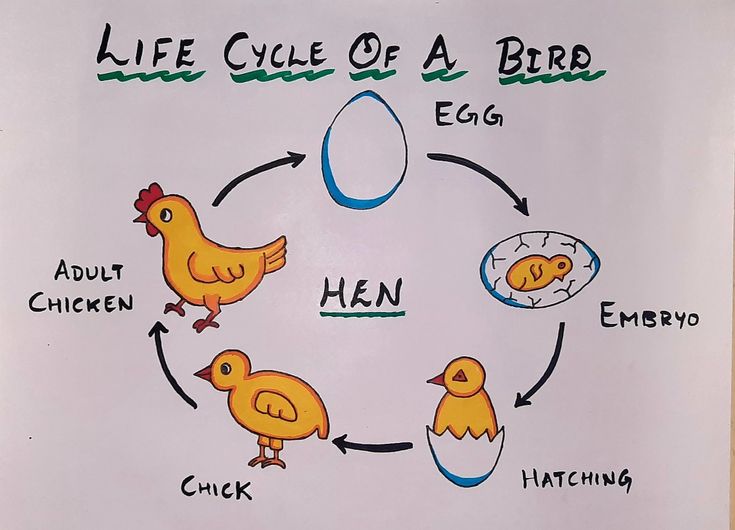
The breakthrough came not from philosophy, but from biology. A doctor in an online forum posed the chicken-and-egg question and then dismantled it in a single move: the dilemma exists only because we have removed half the species from the picture. Bring the cockerel back, and the confusion dissolves. There was never a dilemma, only an absence. Cock and hen mate, egg follows, then the chick hatches. The cycle is complete because both are present.
Here we see the analogy doing real work. The chicken cycle goes beyond clever illustration because it is the logical structure of semantic isolation. Remove the male from the language of reproduction, and he becomes optional. Not absent from reality, but absent from the description of reality. And a description that diverges from reality does not leave reality unchanged. It shapes education and policy, and both shape lives.
Putting the Viewer in the Driving Seat
Psychology research has shown that positive user experience is contingent on the fulfilment of three basic psychological needs: Autonomy, Competence, and Relatedness.
~ The METUX Matrix: A Design Framework for Human-Centred AI
The design followed from this directly. A single, clearly labelled "Semantically Isolate" button acts on the target frame in real time. The viewer is not told what will happen. They are invited to find out. The effect is immediate: the father disappears, the protective circle dissolves, threat emojis close in on the mother and child. The frame does not explain; it shows.
The expandable card on the right provides the philosophical scaffolding for those who want it, but it is guided by the chicken-and-egg example rather than by ontological terminology. The example is the primer. The terminology is the reward for those who press further.
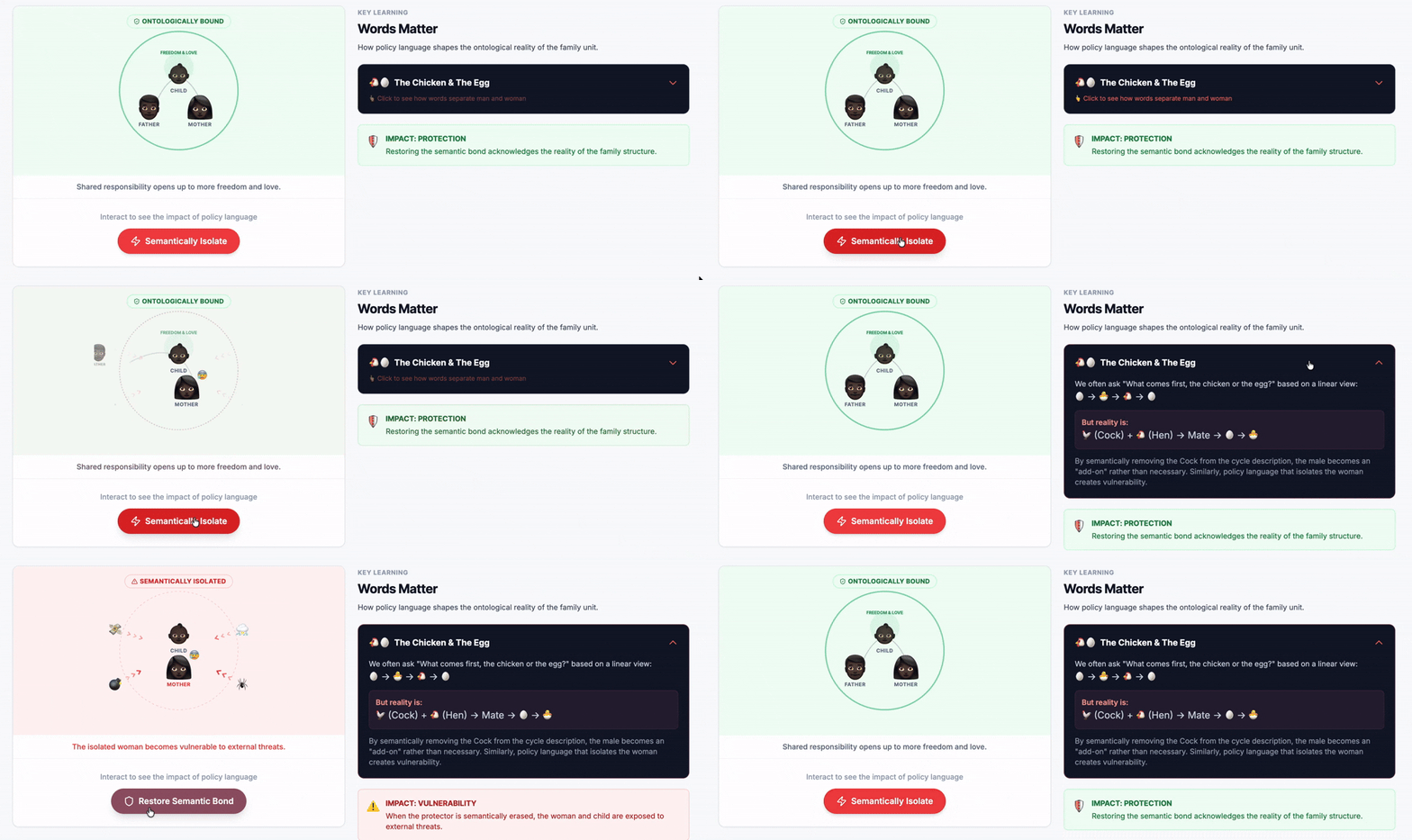
Result
Within one click and under ten seconds, a viewer with no background in philosophy or policy development can feel the connection between a word, a curriculum, policy, and a life. The image and the reality come into alignment. This is exactly what the design was arguing for all along.